
Automate to Retain: How AI & Automation Transforms Customer Success Ops From Reactive to Predictive
Automate to Retain: How AI Customer Success Automation Tools Drive Predictive Retention and Transform Operations
In the rapidly evolving landscape of customer success, businesses are increasingly turning to AI and automation to enhance their operations. This article explores how these technologies shift customer success from a reactive to a predictive model, ultimately improving retention rates. Readers will learn about AI-driven customer success automation tools, the role of predictive analytics in retention, and best practices for implementing workflow automation. As companies face the challenge of maintaining customer loyalty in a competitive market, leveraging AI can provide a significant advantage. We will delve into the mechanisms of these tools, their defining features, and the transformative impact they have on customer engagement and retention strategies.
Key Takeaways
- AI-driven tools enhance customer success by shifting from reactive to predictive engagement models.
- Predictive analytics forecasts customer behavior, enabling proactive retention strategies.
- Effective AI tools feature predictive analytics, automated workflows, and customer health scoring.
- Workflow automation improves efficiency by streamlining tasks like onboarding and follow-ups.
- Customer health scoring identifies at-risk accounts, reducing churn through proactive engagement.
- AI tools personalize interactions based on data insights, enhancing customer satisfaction.
- Transitioning to predictive models boosts operational efficiency and customer loyalty.
- Best practices for automation include setting clear objectives and selecting suitable tools.
- AI-driven retention strategies leverage customer feedback to address pain points proactively.
What Are AI-Driven Customer Success Automation Tools?
AI-driven customer success automation tools are software solutions designed to enhance customer interactions and streamline operations through artificial intelligence. These tools utilize data analytics and machine learning algorithms to predict customer behavior, enabling businesses to proactively address issues before they escalate. By automating routine tasks, these platforms free up customer success teams to focus on strategic initiatives that foster deeper customer relationships. The integration of AI in customer success operations not only improves efficiency but also enhances the overall customer experience.
How Do AI Automation Platforms Enhance Customer Success Operations?
AI automation platforms enhance customer success operations by providing real-time insights and automating repetitive tasks. For instance, these platforms can analyze customer data to identify trends and potential churn risks, allowing teams to intervene proactively. Additionally, they streamline communication through automated responses and personalized outreach, ensuring customers receive timely support. This efficiency leads to improved operational performance and higher customer satisfaction rates, as teams can dedicate more time to high-value interactions.
The broader impact of AI-powered automation on both customer experience and operational efficiency has been a subject of recent studies.
AI Automation for Customer Experience & Operational Efficiency
Customer experience of AI-powered automation was discussed based on key independent variables such as Customer Satisfaction, Technology Adoption, Operational Efficiency, Predictive Analytics and Data Security and Risk Controls. Operational efficiency was investigated with key thematic views such as strategic decisions towards AI-automation, operational enhancements, challenges, and future opportunities associated with AI-driven initiatives.
Impact of AI-Powered Automation on Customer Experience and Operational Efficiency in a Sri Lankan Conglomerate, 2025
Which Features Define Effective Customer Success Software AI?
Effective customer success software AI is characterized by several key features that enhance its functionality. These include:
- Predictive Analytics: This feature allows businesses to forecast customer behavior and identify at-risk accounts, enabling proactive engagement strategies.
- Automated Workflows: Automation of routine tasks, such as follow-ups and reporting, helps teams focus on strategic initiatives.
- Customer Health Scoring: This feature assesses customer engagement and satisfaction levels, providing insights into account health and potential churn risks.
These features collectively empower customer success teams to operate more efficiently and effectively, ultimately driving better retention outcomes.
How Does Predictive Analytics Improve Customer Retention?
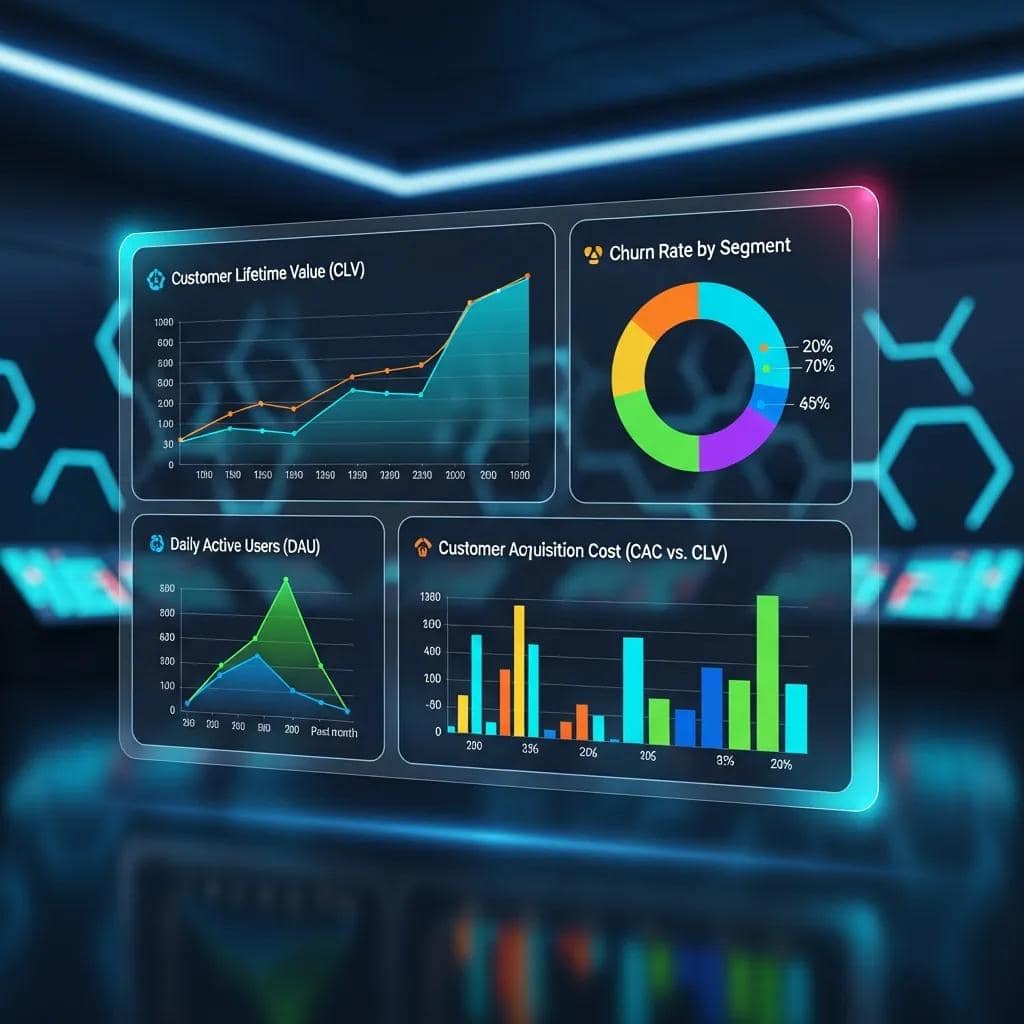
Predictive analytics plays a crucial role in improving customer retention by leveraging historical data to forecast future customer behavior. By analyzing patterns in customer interactions, businesses can identify which customers are at risk of leaving and implement targeted retention strategies. This proactive approach not only helps in retaining customers but also enhances their overall experience by addressing their needs before they become issues.
What Are Predictive Customer Retention Techniques Using AI?
Several predictive customer retention techniques utilize AI to enhance retention efforts. These include:
- Churn Prediction Models: These models analyze customer data to identify signs of potential churn, allowing businesses to take preemptive action.
- Personalized Engagement Strategies: AI can tailor communication and offers based on individual customer preferences and behaviors, increasing the likelihood of retention.
- Feedback Analysis: AI tools can analyze customer feedback to identify common pain points, enabling businesses to address issues that may lead to churn.
Research further emphasizes the critical role of AI in identifying at-risk customers and implementing effective retention strategies.
AI Predictive Models for Customer Churn & Retention
The integration of AI-driven churn prediction models in the US financial sector has far-reaching implications for banks, enhancing their operational efficiency and customer relationship management. First and foremost, it can identify at-risk customers with a high degree of accuracy, thus helping the banks to implement focused retention strategies that can bring down the churn rate significantly.
AI-Driven Predictive Modeling for Banking Customer Churn: Insights for the US Financial Sector, MS Rana, 2025
By implementing these techniques, companies can significantly improve their retention rates and foster long-term customer loyalty.
How Does AI Reduce Churn Through Customer Health Scoring?
AI reduces churn through customer health scoring by providing a comprehensive assessment of customer engagement and satisfaction. This scoring system evaluates various metrics, such as usage frequency, support interactions, and feedback scores, to determine the overall health of a customer account. By identifying customers with low health scores, businesses can proactively reach out to address concerns and improve their experience, thereby reducing the likelihood of churn.
What Are Best Practices for Workflow Automation in Customer Success?
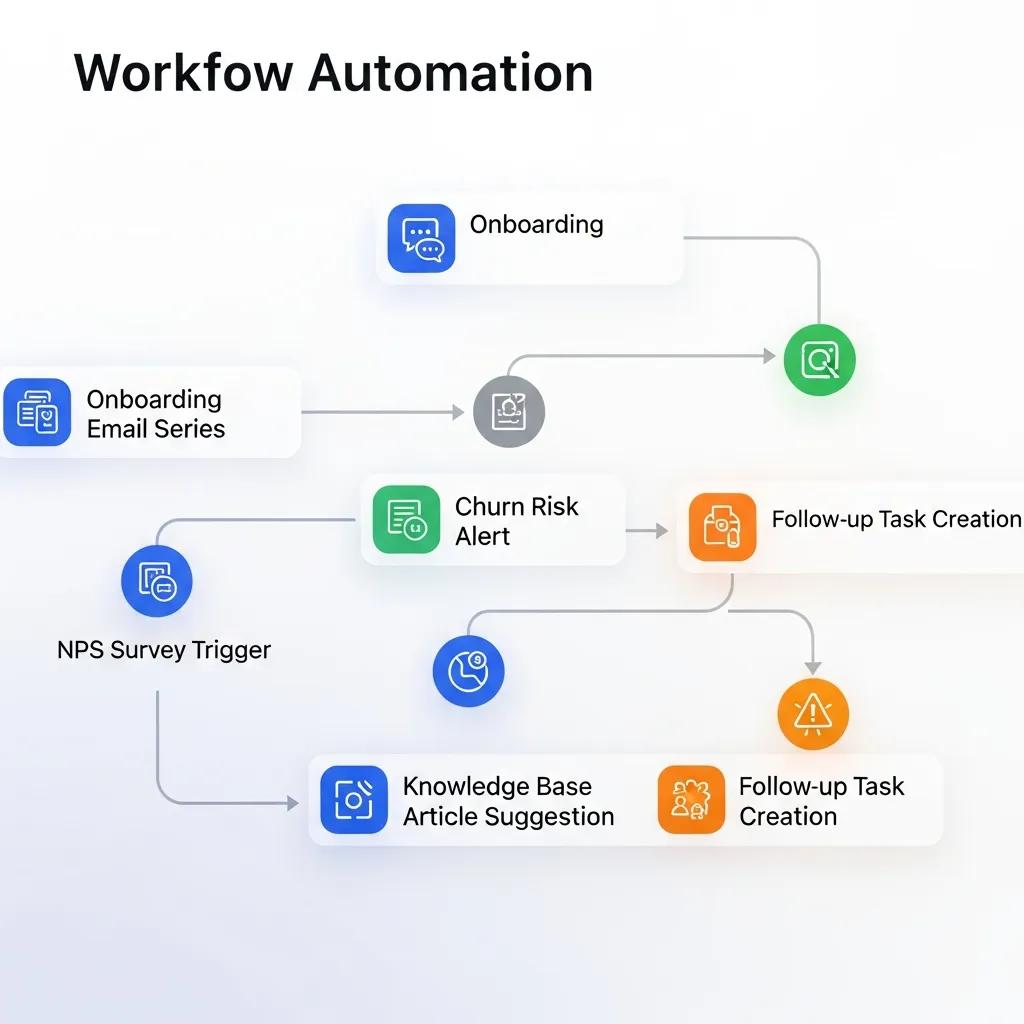
Implementing workflow automation in customer success requires careful planning and execution. Best practices include:
- Define Clear Objectives: Establish specific goals for automation, such as reducing response times or increasing customer engagement.
- Choose the Right Tools: Select automation tools that align with your customer success strategy and integrate seamlessly with existing systems.
- Monitor and Optimize: Continuously track the performance of automated workflows and make adjustments as needed to improve efficiency and effectiveness.
By following these best practices, organizations can maximize the benefits of automation in their customer success operations.
How Can Automation Streamline Customer Success Tasks?
Automation can streamline various customer success tasks, including:
- Onboarding Processes: Automated onboarding workflows can guide new customers through setup and usage, ensuring a smooth transition.
- Follow-Up Communications: Automated follow-ups can remind customers of upcoming renewals or check in on their satisfaction levels.
- Reporting and Analytics: Automation can generate regular reports on customer health and engagement metrics, providing valuable insights for decision-making.
These streamlined processes not only enhance operational efficiency but also improve the customer experience by ensuring timely and relevant interactions.
Which Automation Workflows Boost Operational Efficiency?
Several automation workflows can significantly boost operational efficiency in customer success, such as:
- Ticketing Systems: Automating ticket creation and routing ensures that customer inquiries are addressed promptly by the appropriate team members.
- Customer Feedback Collection: Automated surveys can gather customer feedback at key touchpoints, providing insights for continuous improvement.
- Renewal Reminders: Automated reminders for contract renewals help ensure that customers are aware of upcoming deadlines, reducing the risk of churn.
Implementing these workflows allows customer success teams to operate more efficiently, ultimately leading to better retention outcomes.
How Do AI and Automation Transform Reactive Customer Success to Predictive Models?
The transformation from reactive to predictive customer success models is facilitated by AI and automation technologies. Reactive models typically respond to customer issues as they arise, while predictive models anticipate and address potential problems before they occur. This shift enables businesses to be more proactive in their customer engagement strategies, leading to improved satisfaction and loyalty.
This transformative shift is further elaborated by academic research that outlines progressive stages of AI integration in customer success.
AI-Driven Customer Success: From Reactive to Predictive
This systematic review synthesizes findings from 142 peer-reviewed studies published between 2020 and 2025, examining how mobile attribution and marketing technology companies have adopted AI within their customer success operations. We propose a novel strategic framework — the AI-Driven Customer Success Maturity Model (AICSMM) — that maps five progressive stages of AI integration: Reactive Support, Data-Informed Engagement, Predictive Intelligence, Autonomous Optimization, and Cognitive Partnership.
Leveraging Artificial Intelligence for Scalable Customer Success in Mobile Marketing Technology: A Systematic Review and Strategic Framework, E Mishchenko, 2026
What Are the Benefits of Moving from Reactive to Predictive Customer Success?
Transitioning to a predictive customer success model offers several benefits, including:
- Enhanced Customer Satisfaction: Proactive engagement leads to a better customer experience, as issues are addressed before they escalate.
- Increased Retention Rates: By anticipating customer needs, businesses can implement strategies that keep customers engaged and satisfied.
- Improved Operational Efficiency: Predictive models allow teams to focus on high-impact activities rather than constantly reacting to issues.
These benefits highlight the importance of adopting predictive strategies in customer success operations.
How Does AI Enable Proactive Customer Engagement and Retention?
AI enables proactive customer engagement and retention by providing insights that inform personalized interactions. By analyzing customer data, AI can identify trends and preferences, allowing businesses to tailor their communication and offers. This personalized approach not only enhances the customer experience but also increases the likelihood of retention, as customers feel valued and understood.
This table illustrates how key features of AI-driven customer success tools contribute to improved retention and operational efficiency.
In conclusion, the integration of AI and automation in customer success operations is transforming the way businesses engage with their customers. By shifting from reactive to predictive models, organizations can enhance customer satisfaction, reduce churn, and ultimately drive better retention outcomes. As the landscape continues to evolve, leveraging these technologies will be essential for maintaining a competitive edge in customer success.
Frequently Asked Questions
What types of businesses can benefit from AI-driven customer success automation tools?
AI-driven customer success automation tools can benefit a wide range of businesses, from startups to large enterprises across various industries. Companies that rely heavily on customer interactions, such as SaaS providers, e-commerce platforms, and service-oriented businesses, can particularly gain from these tools. By leveraging AI, these businesses can enhance customer engagement, streamline operations, and improve retention rates, making them more competitive in their respective markets.
How can small businesses implement AI customer success tools effectively?
Small businesses can implement AI customer success tools effectively by starting with clear objectives and selecting tools that fit their specific needs and budget. It’s essential to choose user-friendly platforms that offer scalability as the business grows. Additionally, small businesses should focus on training their teams to utilize these tools effectively and continuously monitor performance to optimize their strategies. This approach ensures that they maximize the benefits of AI without overwhelming their resources.
What challenges might companies face when adopting AI in customer success?
Companies may face several challenges when adopting AI in customer success, including data quality issues, integration with existing systems, and resistance to change from employees. Ensuring that data is accurate and comprehensive is crucial for AI tools to function effectively. Additionally, organizations must invest in training and change management to help staff adapt to new technologies. Addressing these challenges proactively can lead to a smoother transition and better outcomes in customer success initiatives.
How does customer health scoring work in practice?
Customer health scoring works by evaluating various metrics related to customer engagement, such as usage frequency, support interactions, and feedback scores. These metrics are combined to create a score that indicates the overall health of a customer account. Businesses can use this score to identify at-risk customers and take proactive measures to improve their experience. By regularly updating and analyzing these scores, companies can tailor their engagement strategies to enhance retention.
What role does customer feedback play in AI-driven retention strategies?
Customer feedback plays a critical role in AI-driven retention strategies by providing insights into customer satisfaction and areas for improvement. AI tools can analyze feedback from surveys, reviews, and support interactions to identify common pain points and trends. This information allows businesses to address issues proactively and refine their offerings. By incorporating customer feedback into their strategies, companies can enhance the overall customer experience and increase retention rates.
Can AI tools predict customer behavior accurately?
Yes, AI tools can predict customer behavior with a high degree of accuracy by analyzing historical data and identifying patterns. Machine learning algorithms process vast amounts of data to forecast future actions, such as potential churn or purchasing behavior. However, the accuracy of these predictions depends on the quality and quantity of data available. Continuous refinement of models and regular updates to data inputs are essential for maintaining predictive accuracy over time.
Conclusion
Integrating AI and automation into customer success operations significantly enhances engagement and retention by shifting from reactive to predictive models. This proactive approach not only improves customer satisfaction but also streamlines operational efficiency, allowing teams to focus on high-impact activities. By leveraging these advanced tools, businesses can effectively reduce churn and foster long-term loyalty. Discover how our solutions can transform your customer success strategy today.